


Natura 2000 and ecological surveys
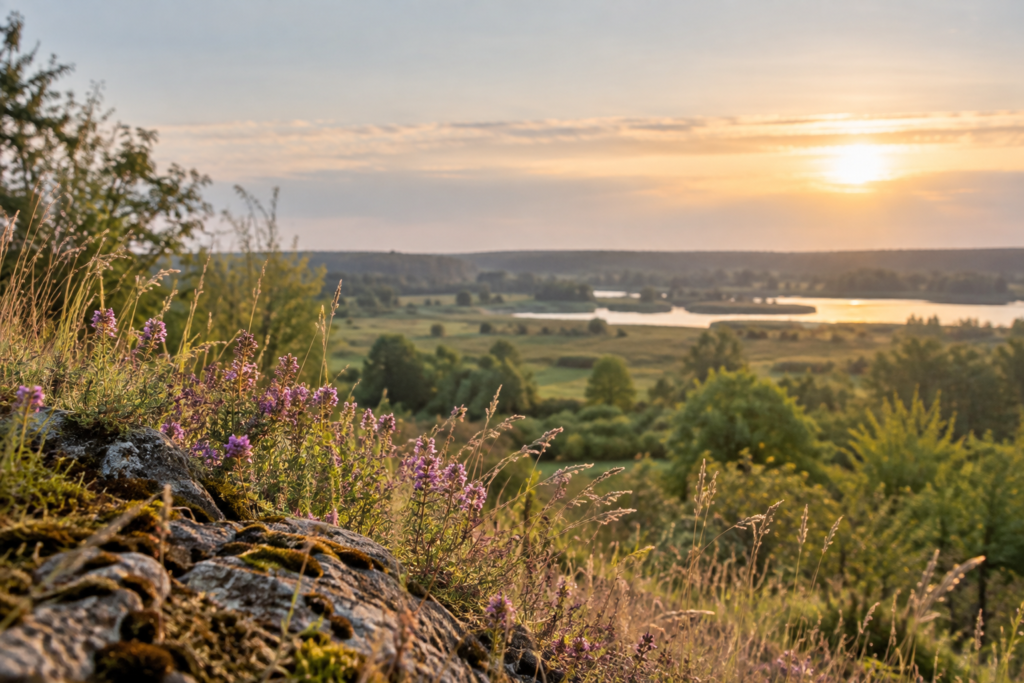
We support investors in assessing the ecological constraints of planned developments, with particular attention to Natura 2000 sites. We carry out location-based analyses, coordinate ecological surveys and prepare environmental documentation required in administrative proceedings.
When is a Natura 2000 assessment required?
Natura 2000 sites have been designated to protect habitats and species of particular importance for biodiversity conservation. Planning a development within or near such an area requires early identification of potential environmental impacts.
The location of a project within a Natura 2000 site is not the only relevant factor. An assessment may also be required where a development located outside its boundaries could affect protected features, habitats, species or the integrity of the site.
More information: Natura 2000 – General Directorate for Environmental Protection
This is particularly relevant to projects involving buildings, linear infrastructure, energy, water management, industry, waste management, transport, tourism, as well as developments that may alter water conditions, generate noise or increase pressure on environmentally sensitive areas.
Early analysis of ecological constraints makes it possible to identify potential risks before key design assumptions are finalised.
Natura 2000 and Ecological Surveys – Scope of MASAD Support
The scope of our work is tailored to the type of development, its location and the stage of the investment process.
Our support may include:
- analysis of the project location in relation to Natura 2000 sites and other protected areas,
- identification of potential ecological conflicts,
- determining the scope of required field surveys and environmental studies,
- organisation and coordination of ecological field surveys,
- assessment of habitats and protected species,
- preparation of ecological data for the Project Information Sheet (KIP) and EIA reports,
- assessment of potential impacts on Natura 2000 sites,
- development of mitigation measures,
- preparation of documentation required in administrative proceedings,
- support for the investor in communication with authorities and in responding to requests for supplementary information.
Ecological Surveys
Ecological surveys provide a reliable understanding of the environmental conditions within the project area and its surroundings. The scope of fieldwork should be adapted to the nature of the project, its location and the potential impacts involved.
Depending on the circumstances, surveys may cover habitats, vegetation, birds, bats, amphibians, reptiles, mammals and other groups of organisms relevant to the planned development.
Proper timing of field surveys is also important. Certain observations can only be carried out during specific periods of the growing season or during the seasonal activity of particular species.
For this reason, ecological work should be planned as early as possible, preferably before the main environmental permitting procedure begins.
Natura 2000 and the Investment Process
Ecological constraints may affect the location of a project, its technical parameters, construction methods, implementation schedule and the scope of required environmental documentation.
Insufficient assessment of the site at an early stage may result in additional studies, supplementary documentation, design changes or delays in administrative proceedings.
For projects that may affect a Natura 2000 site, it is particularly important to identify which environmental receptors may be affected and which measures can be introduced to minimise potential impacts.
Well-prepared documentation should be based on information proportionate to the scale and nature of the project, rather than on generic descriptions that do not reflect actual site conditions.
Natura 2000 in the Project Information Sheet
Information on Natura 2000 sites and other forms of nature protection may already be important at the stage of preparing the Project Information Sheet (KIP). Project Information Sheet (KIP).
The KIP should include, among other things, the location of the project, its surroundings and the potential environmental impacts. If the development is located near protected areas, the information provided should allow the competent authority to determine whether additional assessments are required.
MASAD can combine an assessment of ecological constraints with the preparation of comprehensive environmental documentation for the project.
How Do We Prepare an Ecological Assessment?
We begin by reviewing the basic information about the planned development and its location. We analyse available spatial data, protected areas and the intended land use.
On this basis, we determine the scope of the necessary assessments and any field surveys that may be required. Where ecological inventories are needed, the survey programme is tailored to local conditions and the potential impacts of the project.
The results are then used to prepare environmental documentation, assess potential impacts and identify measures aimed at reducing the risk of ecological conflicts
Where required, we also support the investor during subsequent administrative proceedings and in preparing responses to requests issued by the competent authorities.
What Information Is Needed at the Initial Stage?
For an initial assessment, basic project information is usually sufficient, including the project location, general scope of works, intended land use, key parameters of the planned structures and information on the current stage of project development.
Based on this information, we can identify which environmental aspects require particular attention and whether additional field surveys are likely to be necessary.
The earlier potential ecological constraints are identified, the greater the opportunity to take them into account in the project without costly changes at later stages.
MASAD Support for Investors
MASAD combines ecological assessment with a broader understanding of environmental permitting procedures.
We help investors organise project data, define the appropriate scope of studies and prepare documentation that reflects the actual nature and scale of the development.
For more complex projects, we coordinate the work of technical and ecological specialists so that the results of individual assessments remain consistent with the technical documentation and the overall project assumptions.
Our objective is to identify environmental risks as early as possible and reduce the need for subsequent additions and revisions to the documentation.
We support projects in the Pomeranian and Kuyavian-Pomeranian Voivodeships, as well as developments in other regions of Poland. The scope of support is tailored to the nature of the project, its location and the stage of the investment process.
Frequently Asked Questions
Can a project located outside a Natura 2000 site still require an assessment?
Yes. The relevant factor is not only whether the project is located within the boundaries of a Natura 2000 site, but also whether it may affect protected habitats, species or the integrity of the site. A project located nearby may therefore also require an assessment.
When should an ecological survey be carried out?
As early as possible, preferably during the project preparation stage. The scope and timing of surveys depend on the project location, the type of development and the species or habitats that need to be assessed.
How long does an ecological survey take?
The duration depends on the scope of the survey and the seasonal activity of particular species. Some observations can only be carried out during specific periods of the year, so the survey schedule should be planned well in advance.
Can a Natura 2000 assessment form part of the Project Information Sheet?
Yes. Information on Natura 2000 sites and other protected areas may be an important part of the Project Information Sheet where the location or nature of the project indicates a potential environmental impact.
Planning a Development Near a Natura 2000 Site?
Consult the project location before starting the administrative procedure. We will assess the ecological constraints, determine the required scope of studies and recommend an appropriate approach to preparing the environmental documentation.
Would you like to receive an initial quotation?
Complete the form — the questions will automatically adapt to the service you select.